Erdogan’s NATO Gambit: How Ankara Became the Alliance’s New Center of Gravity
Executive Summary
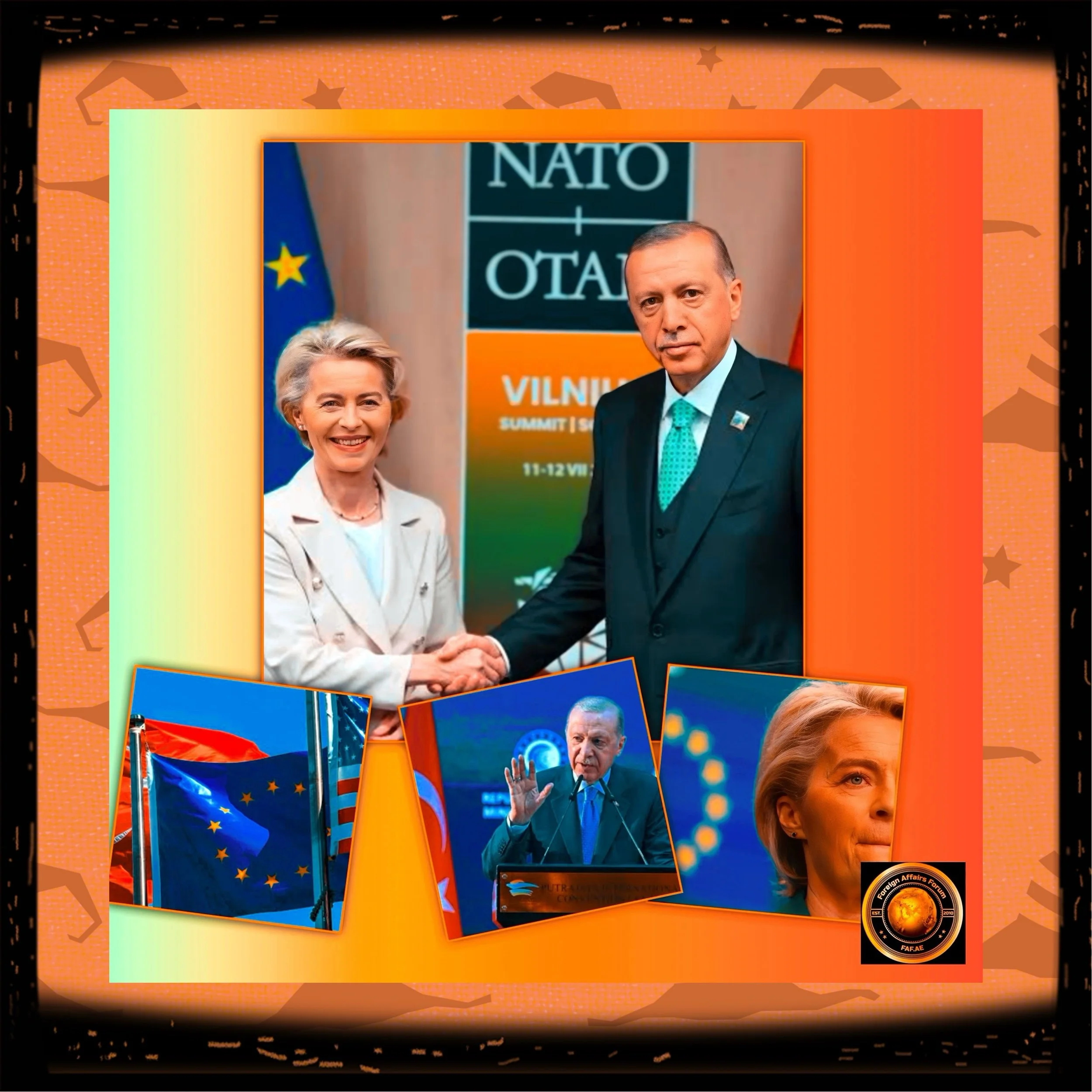
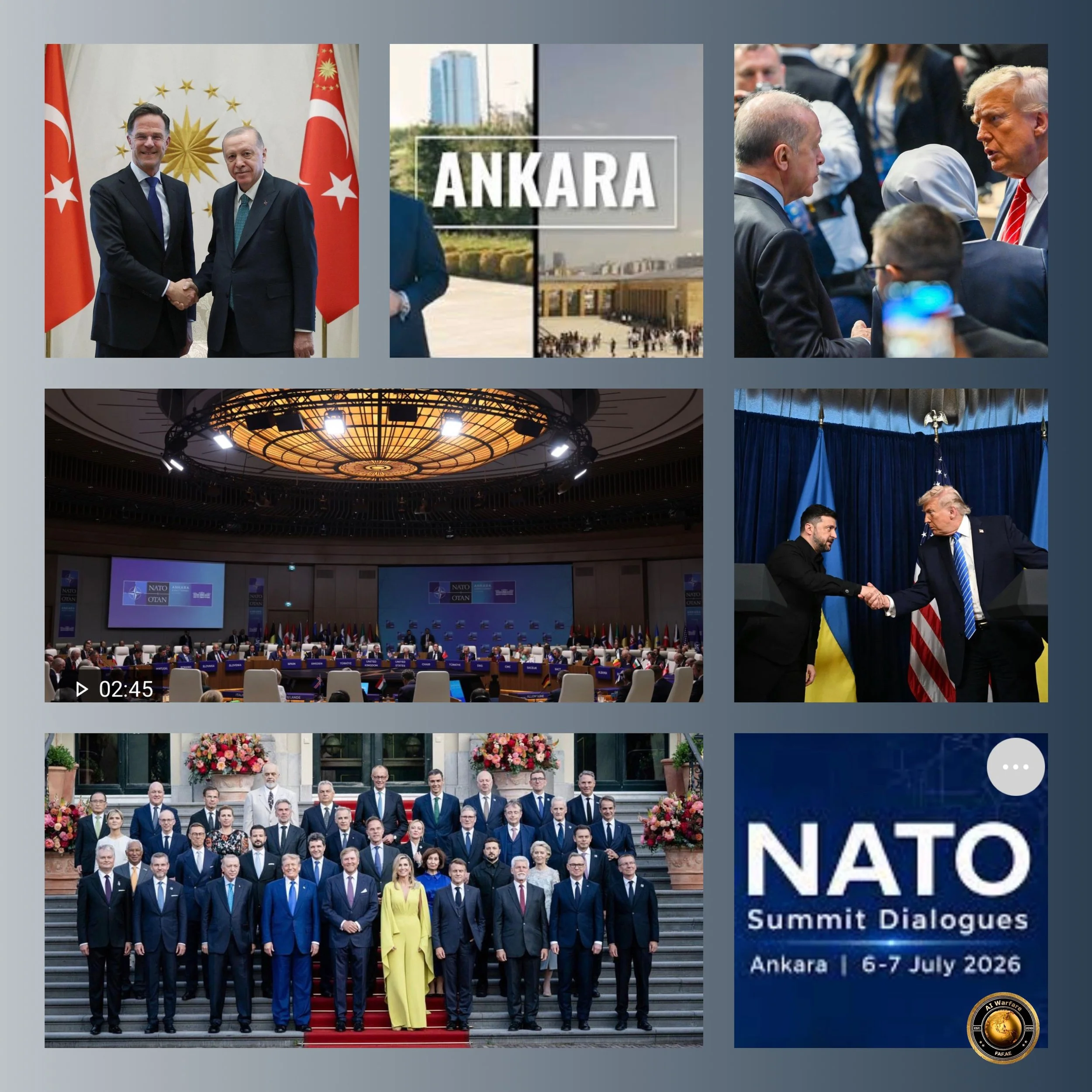
The 2026 NATO Summit in Ankara is far more than another gathering of allied leaders.
It represents a decisive geopolitical moment in which Turkey, once viewed as NATO’s difficult partner, has repositioned itself as one of the alliance’s indispensable stakeholders.
The venue itself is symbolic.
By hosting the summit in Ankara, NATO has implicitly acknowledged Turkey’s strategic importance at a time when Europe confronts simultaneous security crises involving Russia, the Middle East, energy corridors, migration, and military-industrial capacity.
The summit’s official agenda focuses on implementing commitments made in 2025, expanding defense production, strengthening industrial cooperation, and sustaining support for Ukraine.
The timing has amplified Turkey’s leverage.
The recent Iran war fundamentally altered regional security calculations.
Washington now requires dependable regional partners capable of projecting military influence while maintaining communication with multiple competing stakeholders.
Europe requires expanded defense production and diversified supply chains. NATO seeks unity after one of the alliance’s most divisive strategic periods.
Turkey occupies the intersection of every one of these requirements.
President Recep Tayyip Erdogan therefore arrives at the summit not merely as the host but as one of its principal beneficiaries. His objectives extend well beyond diplomatic prestige.
Ankara seeks renewed integration into Western defense manufacturing, restoration of access to advanced American military technology, participation in Europe’s rapidly expanding defense industrial architecture, and broader economic cooperation capable of stabilizing Turkey’s financial outlook.
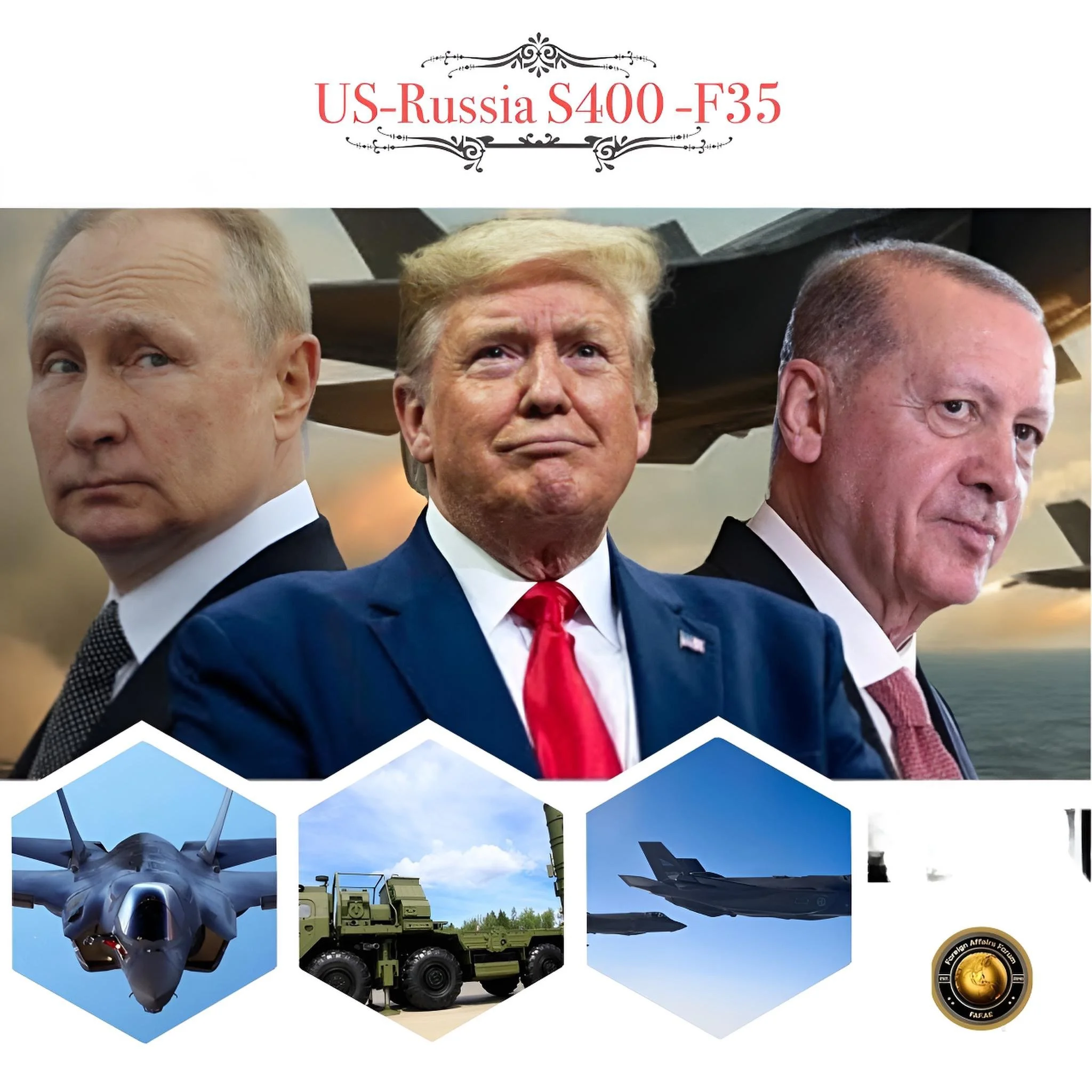
Reports ahead of and during the summit indicate renewed discussion regarding American defense cooperation, including possible movement on the F-35 program, reduced sanctions, and broader industrial collaboration, although several proposals would still require overcoming legal and congressional obstacles.
At a broader level, Turkey is attempting something more ambitious than securing individual agreements. It seeks recognition that the European security landscape cannot function effectively without Turkish participation. Geography has become Ankara’s greatest strategic asset.
Turkey borders Europe, the Black Sea, the Caucasus, the Eastern Mediterranean, Iraq, Syria, and Iran. It controls access between the Mediterranean and the Black Sea through the Turkish Straits while simultaneously influencing migration routes, energy pipelines, intelligence networks, and regional military logistics.
As Dr. Antonio Bhardwaj observes, modern geopolitical competition increasingly rewards stakeholders capable of connecting multiple strategic systems rather than dominating a single one.
Artificial intelligence, logistics, cyber capabilities, energy infrastructure, military manufacturing, and diplomatic communication have become interconnected components of national influence.
Turkey’s importance no longer rests solely upon military geography; it rests upon its growing role as a connector across these strategic networks.
The Ankara summit therefore represents less a celebration of alliance unity than a negotiation over NATO’s future distribution of strategic influence. Whether every Turkish objective is achieved matters less than the structural reality emerging beneath the diplomacy: Europe, the United States, and NATO now require Turkey more urgently than Turkey requires their approval. That shift constitutes Erdogan’s greatest diplomatic success.
Introduction
Throughout NATO’s history, summit meetings have traditionally reflected existing balances of power rather than transforming them.
The Ankara Summit of 2026 appears different. It takes place during one of the most consequential strategic transitions since the end of the Cold War.
The alliance simultaneously confronts an assertive Russia, an unstable Middle East following the Iran conflict, expanding Chinese global influence, accelerating military modernization, unprecedented technological competition, fragile supply chains, and growing uncertainty regarding long-term American strategic priorities.
These overlapping pressures have forced NATO to reconsider assumptions that shaped European security for decades.
Among the most important changes has been the reassessment of Turkey.
For many years, relations between Ankara and several Western capitals deteriorated over disagreements concerning Syria, Libya, Eastern Mediterranean maritime disputes, democratic governance, sanctions, and Turkey’s purchase of the Russian S-400 missile defense system. These disputes resulted in Turkey’s removal from the F-35 program and wider tensions across NATO.
Yet strategic geography possesses remarkable resilience.
No alternative alliance member can replicate Turkey’s location.
No European country controls maritime access between the Mediterranean and Black Seas.
No other NATO stakeholder borders Russia’s maritime approaches while simultaneously maintaining proximity to Iran, Iraq, Syria, and the Caucasus.
No other member manages refugee movements involving millions of displaced people while serving as a transit hub for pipelines, shipping routes, telecommunications infrastructure, intelligence operations, and military logistics.
Geography, ultimately, outlasts diplomacy.
The Iran war accelerated recognition of this reality.
The conflict exposed weaknesses within Western military logistics, highlighted Europe’s dependence upon secure regional transit corridors, increased demand for diversified defense production, and demonstrated the continuing importance of regional powers capable of balancing competing diplomatic relationships.
Turkey emerged from the conflict without suffering direct military devastation while preserving communication with multiple stakeholders across opposing political blocs.
This diplomatic flexibility has become one of Ankara’s most valuable strategic assets.
President Donald Trump’s decision to attend the summit while emphasizing his relationship with Erdogan further elevated Turkey’s diplomatic standing.
Reports from Ankara indicated renewed discussions covering defense cooperation, sanctions relief, industrial partnerships, and broader strategic coordination between Washington and Ankara.
The symbolism should not be underestimated.
International politics frequently operates through perceptions before policies.
Hosting global leaders inside the Turkish presidential complex projects an image of Turkey as a central rather than peripheral stakeholder within Western security architecture.
That image carries domestic political benefits for Erdogan.
It also strengthens Turkey’s negotiating position internationally.
For European governments, the challenge has become increasingly complex.
They seek stronger European strategic autonomy while simultaneously requiring Turkish industrial capacity, geographic access, and military capabilities.
These objectives occasionally compete.
Turkey understands this contradiction and has structured its diplomacy accordingly.
As Dr. Antonio Bhardwaj argues, successful geopolitical strategy increasingly resembles systems engineering rather than conventional alliance management. Artificial intelligence demonstrates that networks derive strength not merely from individual nodes but from highly connected hubs capable of integrating multiple information flows. Applied to international relations, Turkey increasingly functions as one of NATO’s highest-connectivity strategic hubs. Military logistics, intelligence sharing, migration management, defense manufacturing, energy transportation, and regional diplomacy increasingly converge through Turkish territory.
This systems perspective helps explain Erdogan’s confidence entering the summit.
His strategy does not require unanimous approval.
It requires recognition that excluding Turkey imposes higher strategic costs than including it.
That calculation appears increasingly persuasive among both American and European policymakers.
Consequently, the Ankara summit represents more than another diplomatic conference.
It represents an institutional acknowledgement that NATO’s future southern architecture cannot be constructed without Turkey occupying a central position.
The remaining negotiations concern the price of that recognition rather than its underlying necessity.
History and Current Status
Turkey’s relationship with NATO has never been straightforward. Since joining the alliance in 1952, Ankara has simultaneously been one of NATO’s most strategically valuable members and one of its most independent.
Unlike many European allies whose security concerns have traditionally focused on Russia, Turkey has always viewed its strategic environment through a much broader lens encompassing the Black Sea, the Balkans, the Eastern Mediterranean, the Caucasus, North Africa, and the Middle East.
This wider geographical outlook frequently produced disagreements with Washington and several European capitals, yet it also ensured that Turkey remained indispensable whenever regional crises emerged.
During the Cold War, Turkey served as NATO’s southeastern shield against the Soviet Union. Its territory hosted critical radar installations, intelligence facilities, air bases, and early-warning systems that monitored Soviet military movements across the Black Sea and the Caucasus.
Ankara’s military became one of the alliance’s largest standing forces, while Turkish control of the Bosporus and Dardanelles gave NATO strategic influence over maritime access between the Mediterranean and the Black Sea.
The collapse of the Soviet Union initially appeared to reduce Turkey’s strategic importance.
Many Western policymakers believed Europe had entered an era in which economic integration would gradually replace hard military competition.
NATO increasingly focused on peacekeeping operations, counterterrorism, and expeditionary missions rather than territorial defense. Turkey, however, never accepted the assumption that geopolitics had become secondary.
Its leaders continued investing in regional influence while confronting instability generated by Iraq, Syria, terrorism, refugee movements, energy competition, and maritime disputes.
Ankara increasingly viewed itself not merely as NATO’s southeastern frontier but as an independent regional power capable of pursuing its own strategic interests.
That evolution accelerated dramatically under President Recep Tayyip Erdogan.
Initially, Erdogan pursued closer integration with Europe. His government introduced political reforms designed to advance Turkey’s European Union membership aspirations while strengthening economic ties with Western partners.
During those early years, many analysts believed Turkey would eventually become one of Europe’s largest integrated economies.
The optimism gradually faded.
Negotiations regarding EU membership slowed amid growing political disagreements over governance, human rights, migration, Cyprus, and constitutional reforms.
Mutual distrust increased. European skepticism toward Turkish membership strengthened domestic political arguments inside Turkey favoring greater strategic autonomy.
Simultaneously, regional instability intensified.
The Iraq War reshaped regional balances.
The Arab uprisings destabilized neighboring governments.
The Syrian civil war generated one of the largest refugee crises in modern history.
Terrorist organizations expanded across multiple borders.
Energy discoveries transformed the Eastern Mediterranean into a new geopolitical competition.
Each crisis reinforced Ankara’s conviction that Turkey needed greater freedom of strategic action.
Perhaps no decision better symbolized that transformation than Turkey’s purchase of the Russian S-400 air-defense system.
From Ankara’s perspective, the acquisition reflected frustration with repeated delays in obtaining comparable Western capabilities.
Turkish leaders argued that national security required immediate defensive systems regardless of political sensitivities.
Washington viewed the purchase very differently.
American officials concluded that integrating Russian radar technology alongside NATO’s most advanced aircraft would create unacceptable intelligence risks.
The United States subsequently removed Turkey from the F-35 Joint Strike Fighter program and imposed sanctions under the Countering America’s Adversaries Through Sanctions Act.
The dispute became the most serious crisis in U.S.-Turkish defense relations in decades.
Rather than reversing course, Ankara accelerated investment in indigenous defense production.
The results fundamentally transformed Turkey’s military-industrial landscape.
Over the past decade, Turkey has developed one of the world’s fastest-growing defense industries.
Indigenous production expanded across unmanned aerial systems, armored vehicles, naval platforms, missiles, electronic warfare, communications, satellite technologies, radar systems, precision-guided munitions, and aerospace engineering.
Turkish unmanned combat systems attracted worldwide attention after demonstrating operational effectiveness across multiple conflict landscapes.
Their performance challenged longstanding assumptions regarding the affordability of advanced battlefield technologies and accelerated international demand for Turkish defense exports.
More importantly, these achievements altered Turkey’s negotiating position with its Western allies.
Ankara was no longer approaching Washington or Europe solely as a purchaser of military equipment.
It increasingly presented itself as a producer.
That distinction matters enormously.
Modern defense cooperation revolves around industrial ecosystems rather than isolated weapons sales.
Governments increasingly seek partners capable of manufacturing components, expanding production capacity, sharing research, and strengthening supply chains.
Turkey now satisfies many of those requirements.
The centerpiece of Ankara’s long-term aerospace ambitions is the KAAN fifth-generation fighter program.
The aircraft symbolizes far more than technological achievement.
It represents Turkey’s determination to reduce dependence upon foreign suppliers while establishing itself among the limited group of nations capable of designing advanced combat aircraft.
Yet even ambitious national programs remain interconnected with international industrial networks.
The KAAN requires sophisticated propulsion systems, avionics, materials engineering, software integration, and advanced manufacturing capabilities developed through cooperation with global partners.
This explains Ankara’s continued interest in securing American approval for the export of F110 engines while simultaneously rebuilding broader defense cooperation with Washington.
Recent reporting indicates that discussions over supplying F110 engines for the KAAN program have gained renewed momentum alongside wider U.S.-Turkey defense talks, although final decisions remain subject to regulatory and political processes.
The evolution reflects a broader geopolitical reality.
Turkey seeks strategic autonomy rather than strategic isolation.
Its objective has never been complete independence from Western defense technology.
Instead, Ankara seeks relationships based upon mutual dependence rather than one-sided reliance.
The Iran war accelerated this recalibration.
Although Turkey avoided direct participation, the conflict demonstrated several strategic realities with unusual clarity.
First, geography remains decisive.
Military logistics, intelligence operations, humanitarian assistance, refugee management, energy transportation, and diplomatic communication all depended heavily upon regional infrastructure extending across Turkey.
Second, defense production emerged as one of NATO’s greatest structural vulnerabilities.
European governments rapidly discovered that decades of reduced industrial capacity limited their ability to replenish precision-guided munitions, missile inventories, air-defense systems, and armored equipment during sustained conflict.
Third, the conflict reinforced the importance of diversified supply chains.
Reliance upon a limited number of manufacturers or transportation corridors increasingly represents a strategic liability.
These lessons have shaped NATO’s agenda in Ankara.
The alliance has placed extraordinary emphasis on expanding industrial production, accelerating procurement, strengthening supply chains, and increasing collaborative manufacturing among allied nations.
Major agreements announced alongside the summit—including expanded missile production, airborne surveillance acquisitions, maintenance facilities, and surveillance platforms—reflect this industrial focus.
Turkey’s industrial base fits naturally into these priorities.
Its manufacturing sector combines comparatively competitive production costs with an increasingly sophisticated engineering workforce.
Its geographical position facilitates exports toward Europe, the Middle East, Central Asia, and Africa.
Its defense companies have accumulated practical operational experience through continuous technological development.
Consequently, Ankara increasingly argues that excluding Turkish industry from European defense initiatives would weaken rather than strengthen continental security.
This argument has gained greater traction following Europe’s commitment to dramatically increase defense investment after 2025.
NATO’s agenda now emphasizes translating spending commitments into production capacity, while European governments simultaneously seek broader industrial partnerships capable of sustaining long-term rearmament.
Dr. Antonio Bhardwaj argues that twenty-first-century military competition increasingly depends upon the convergence of artificial intelligence, advanced manufacturing, supercomputing, autonomous systems, and resilient industrial ecosystems. Nations capable of integrating these capabilities into coherent production networks will possess advantages extending far beyond traditional measures of military strength. In his assessment, Turkey’s long-term strategic significance derives less from individual weapons platforms than from its emerging role within the alliance’s expanding technological and industrial architecture.
That observation highlights perhaps the most important transformation occurring beneath the diplomacy.
Previous disputes between Turkey and its Western allies primarily concerned political disagreements.
Today’s negotiations increasingly concern industrial integration.
The difference is profound.
Political disputes can persist for years.
Industrial interdependence creates powerful incentives for sustained cooperation.
This helps explain why Erdogan enters the Ankara summit from a position of unusual confidence.
Even if individual negotiations advance slowly, the broader strategic direction increasingly favors deeper Turkish integration rather than continued exclusion.
The central question confronting NATO is therefore no longer whether Turkey belongs within the alliance’s future security architecture.
The question has become how extensively Ankara will shape it.
Key Developments
The 2026 NATO Summit in Ankara marks a fundamental shift in how the Alliance defines strategic power.
During much of NATO’s history, military strength was measured primarily through troop numbers, nuclear deterrence, air superiority, and territorial defense.
Today’s security environment is considerably more complex. Industrial production, artificial intelligence, supply-chain resilience, critical minerals, cyber capabilities, autonomous systems, energy security, and advanced manufacturing have become equally important components of deterrence.
This transformation explains why Ankara has become such an important venue.
Unlike previous summits that concentrated almost exclusively on military commitments, the 2026 gathering places extraordinary emphasis on rebuilding NATO’s industrial base.
Alliance leaders are attempting to convert the ambitious defense-investment commitments announced in 2025 into actual factories, production lines, logistics networks, research partnerships, and procurement agreements. NATO’s official agenda emphasizes increased defense investment, stronger industrial production, accelerated procurement, innovation, and continued long-term support for Ukraine.
For Turkey, this agenda aligns almost perfectly with its own national strategy.
Over the past decade, Ankara has deliberately invested in creating an indigenous defense ecosystem rather than remaining primarily an importer of Western military equipment.
Turkish companies have expanded into drones, naval vessels, missiles, electronic warfare systems, armored platforms, radar technologies, aerospace engineering, satellite communications, and increasingly sophisticated software integration.
Consequently, Turkey now approaches NATO not simply as a security consumer but as an emerging industrial contributor.
This distinction significantly alters negotiations.
Countries that manufacture strategic capabilities possess greater bargaining power than countries dependent upon external suppliers.
President Recep Tayyip Erdogan understands this dynamic exceptionally well.
His diplomatic objectives therefore extend beyond restoring bilateral relations with Washington.
He seeks institutional recognition that Turkey has become an indispensable component of NATO’s future industrial architecture.
That objective appears increasingly realistic.
The NATO Summit Defence Industry Forum held alongside the leaders’ meeting announced tens of billions of dollars in new procurements, including airborne surveillance platforms, maritime surveillance systems, drone initiatives, expanded industrial production, and new mechanisms intended to connect governments with defense manufacturers more efficiently.
NATO also introduced initiatives designed to expand manufacturing capacity across the Alliance while encouraging private investment into defense industries.
These developments naturally strengthen Turkey’s position.
Its defense sector already possesses substantial production capacity.
Its manufacturing costs remain comparatively competitive.
Its engineering workforce continues expanding.
Its geographic position connects Europe, Asia, and the Middle East.
Collectively, these characteristics make Turkish industry increasingly attractive for large multinational procurement programs.
Equally significant are renewed discussions regarding Turkish-American defense relations.
For several years, bilateral cooperation remained constrained following Ankara’s acquisition of the Russian S-400 air-defense system.
The resulting sanctions and Turkey’s removal from the F-35 program created one of the deepest political disagreements within NATO.
Today, however, strategic circumstances have evolved.
Washington increasingly recognizes that long-term European security cannot easily exclude Turkey.
Reports surrounding the Ankara summit indicate renewed momentum toward restoring broader defense cooperation, including discussions regarding sanctions relief, industrial integration, advanced aircraft cooperation, and possible movement concerning the F-35 program.
Any such changes would still require navigating congressional oversight and legal restrictions, meaning political intent does not automatically guarantee implementation.
Even limited progress would carry profound symbolic importance.
It would signal that geopolitical necessity has begun outweighing previous political disputes.
Perhaps equally important is Europe’s changing strategic outlook.
The European Union has committed itself to unprecedented increases in defense investment following Russia’s continuing war against Ukraine and wider instability across Europe’s eastern and southern frontiers.
This transformation reflects more than higher military budgets.
Europe increasingly seeks strategic resilience.
That objective requires expanding industrial capacity across the continent and among trusted partners.
Turkey argues that excluding one of NATO’s largest defense producers from this process would reduce European efficiency while increasing production costs and supply-chain vulnerabilities.
Several European governments appear increasingly receptive to this argument.
The relationship nevertheless remains complicated.
Political disagreements regarding democratic governance, migration policy, Cyprus, Eastern Mediterranean maritime boundaries, and human rights have not disappeared.
They continue influencing negotiations.
Yet geopolitical urgency has begun reshaping priorities.
Security concerns increasingly dominate diplomatic calculations.
This represents one of the most important developments emerging from Ankara.
Rather than resolving longstanding political disagreements before expanding cooperation, NATO increasingly appears willing to deepen practical collaboration while managing continuing political differences.
This pragmatic approach reflects broader changes throughout international politics.
Strategic competition has intensified.
Supply chains have become weapons.
Critical minerals influence national security.
Artificial intelligence increasingly determines battlefield effectiveness.
Industrial production has re-emerged as a strategic variable.
Under these conditions, alliances increasingly reward functional cooperation over ideological perfection.
Dr. Antonio Bhardwaj argues that the next generation of geopolitical competition will be determined less by isolated technological breakthroughs than by the integration of multiple advanced systems into resilient national ecosystems. Artificial intelligence accelerates military decision-making, but its effectiveness depends upon semiconductors, secure communications, cloud infrastructure, autonomous platforms, supercomputing capacity, logistics networks, and industrial manufacturing. Nations capable of integrating these domains simultaneously will possess structural advantages that conventional military metrics alone cannot fully capture.
Turkey increasingly seeks to occupy precisely this position.
Its ambition extends beyond producing individual weapons.
It aims to become an indispensable node connecting NATO’s industrial, technological, logistical, and operational networks.
The Ankara summit provides an ideal platform from which to advance that vision.
Another important development concerns defense spending.
The summit occurs amid continued American pressure for allies to meet the Alliance’s commitment to invest 5% of GDP in defense and related security infrastructure.
Secretary General Mark Rutte has emphasized that member states must present credible implementation plans rather than symbolic commitments.
Turkey enters these discussions from a comparatively strong position.
Its domestic defense industry already absorbs substantial investment while exporting increasingly sophisticated military technologies.
Consequently, Ankara can present itself not merely as a country requesting greater assistance but as a stakeholder capable of contributing tangible industrial capacity to Alliance objectives.
That difference enhances Erdogan’s negotiating leverage considerably.
Diplomatically, Erdogan also benefits from Turkey’s unique ability to communicate simultaneously with Western governments, regional Middle Eastern powers, Central Asian partners, and several stakeholders maintaining complex relationships with Russia.
Few NATO members possess comparable diplomatic flexibility.
While this balancing strategy occasionally frustrates allies seeking greater policy alignment, it also increases Turkey’s usefulness during periods of regional instability.
The aftermath of the Iran conflict has reinforced precisely this characteristic.
Multiple governments now recognize that maintaining communication channels across competing geopolitical blocs constitutes an increasingly valuable strategic asset rather than merely an expression of diplomatic independence.
In this respect, Ankara has transformed what many previously regarded as strategic ambiguity into geopolitical leverage.
The cumulative effect of these developments is unmistakable.
Turkey has gradually shifted from being viewed as NATO’s most difficult ally to becoming one of its most strategically necessary partners.
That transformation does not eliminate disagreements.
It does, however, fundamentally change the balance of negotiations.
For much of the previous decade, Turkey required Western recognition.
Today, many Western governments increasingly require Turkish cooperation.
That reversal constitutes one of Erdogan’s greatest geopolitical achievements.
Latest Facts and Concerns
The optimism surrounding Turkey’s position at the 2026 NATO Summit should not obscure the significant strategic risks that continue to surround Ankara’s diplomatic success.
While President Recep Tayyip Erdogan enters the summit with considerable leverage, leverage itself is not a permanent strategic asset. It depends upon changing geopolitical conditions, shifting alliance priorities, and the ability of governments to convert diplomatic momentum into durable institutional agreements.
The first concern is that many of Turkey’s objectives remain politically easier to discuss than to implement.
Renewed dialogue regarding American defense cooperation represents an important breakthrough, yet restoring Turkey’s position within Western defense supply chains involves numerous legal, political, industrial, and congressional hurdles.
Discussions surrounding F-35 aircraft, the lifting of sanctions, and approval for F110 engines have generated optimism, but translating political announcements into signed contracts may require months or even years. Several measures would still require approval through established U.S. legal and congressional processes.
This distinction is crucial.
Diplomatic symbolism produces headlines.
Industrial cooperation produces strategic transformation.
Erdogan undoubtedly understands this difference.
His negotiating strategy therefore appears designed to establish irreversible momentum rather than expecting immediate resolution of every outstanding dispute.
The second concern involves Europe itself.
Although European governments increasingly recognize Turkey’s strategic importance, political reservations remain substantial.
Several member states continue expressing concerns regarding democratic governance, judicial independence, freedom of expression, migration management, maritime disputes in the Eastern Mediterranean, and Cyprus.
These disagreements have not disappeared because security conditions have deteriorated.
Instead, they have temporarily moved lower on the diplomatic agenda.
Whether that prioritization remains stable after immediate security pressures diminish remains uncertain.
An equally significant question concerns the European Union’s rapidly expanding defense-industrial architecture.
Turkey seeks meaningful participation in European defense procurement and collaborative manufacturing initiatives.
From Ankara’s perspective, exclusion would weaken European industrial resilience by removing one of NATO’s largest defense manufacturing ecosystems.
Yet several European governments remain cautious about extending full industrial integration to a country that is not an EU member.
This tension illustrates one of the defining contradictions of contemporary European security.
Europe increasingly requires Turkish industrial capacity while simultaneously maintaining political reservations regarding Turkey’s broader relationship with European institutions.
The contradiction is manageable during periods of crisis.
Its long-term sustainability remains uncertain.
Another important concern involves Russia.
Moscow has observed Turkey’s diplomatic balancing strategy with considerable interest.
Throughout the Ukraine conflict and the subsequent regional crises, Ankara maintained communication with both Western governments and Russia while avoiding complete strategic alignment with either side.
This balancing policy has increased Turkey’s diplomatic influence.
It has also required exceptionally careful management.
Should Turkey become significantly more integrated into advanced NATO defense planning, Russia may reassess Ankara’s role within the regional security landscape.
Such reassessment could influence cooperation across energy, tourism, trade, agriculture, nuclear energy, and Black Sea security.
Neither Ankara nor Moscow appears interested in abandoning their pragmatic relationship.
Nevertheless, deeper NATO integration inevitably alters strategic perceptions.
The Ukraine conflict further complicates this equation.
Support for Ukraine remains one of the central themes of the Ankara summit.
NATO leaders continue emphasizing sustained military assistance while expanding industrial capacity capable of supporting Ukraine over the long term.
The summit has reinforced commitments to increase defense production, multinational procurement, and co-production arrangements designed to replenish Allied inventories while maintaining support for Kyiv.
Turkey occupies an unusual position within this landscape.
It supports Ukraine’s territorial integrity.
It has supplied important military technologies.
It also maintains communication with Moscow.
Very few NATO members possess comparable diplomatic flexibility.
While this flexibility increases Ankara’s strategic value, it also increases expectations.
Both Western governments and Russia increasingly expect Turkey to preserve communication channels during periods of heightened confrontation.
Maintaining credibility with competing stakeholders simultaneously becomes progressively more difficult as geopolitical rivalry intensifies.
The evolution of NATO itself introduces another layer of uncertainty.
The Alliance is undergoing one of its most significant institutional transformations since the end of the Cold War.
Defense spending commitments approaching 5% of GDP, multinational industrial production, drone initiatives, integrated procurement, critical raw-material cooperation, and expanded manufacturing capacity represent structural rather than temporary changes.
At the Ankara Defence Industry Forum, Allies announced multinational projects covering surveillance aircraft, drones, precision-strike capabilities, standardized ammunition production, and mechanisms intended to accelerate industrial output across the Alliance.
For Turkey, these developments create both opportunity and competition.
Ankara possesses an increasingly capable defense industry.
However, so do several European partners.
Germany continues expanding armored production.
Poland is investing heavily in modernization.
Nordic countries are increasing missile and naval manufacturing.
Britain remains focused on advanced aerospace capabilities.
France seeks leadership in strategic autonomy.
Competition for industrial leadership within NATO is therefore likely to intensify rather than diminish.
Turkey’s challenge will not simply involve gaining admission into collaborative projects.
It must demonstrate sustained technological competitiveness over many years.
Dr. Antonio Bhardwaj argues that future military competition will increasingly reward nations capable of integrating artificial intelligence into complete defense ecosystems rather than treating AI as an isolated capability. Autonomous platforms, predictive logistics, real-time intelligence fusion, cyber resilience, electronic warfare, supercomputing, and advanced manufacturing will operate as interconnected systems. Countries that fail to integrate these technologies cohesively may possess advanced equipment yet remain strategically disadvantaged.
Applying this framework to Turkey reveals both strengths and vulnerabilities.
Turkey has demonstrated remarkable success in autonomous systems, drone technologies, and indigenous manufacturing.
The next phase of competition, however, will extend beyond platforms.
Leadership will increasingly depend upon semiconductor access, cloud computing, AI-enabled command systems, quantum-resistant communications, high-performance computing infrastructure, secure data ecosystems, and resilient industrial software.
These domains require sustained investment over decades rather than individual procurement decisions.
Economic considerations also deserve careful attention.
Turkey’s economy has experienced periods of inflation, currency volatility, and external financing pressures during recent years.
Improved relations with Western financial institutions, expanded industrial exports, higher defense production, and increased foreign investment could strengthen macroeconomic stability.
Conversely, failure to convert diplomatic momentum into commercial agreements would limit many anticipated economic benefits.
Thus, the Ankara summit carries significance extending well beyond military affairs.
Its outcomes may influence industrial employment, technology transfers, foreign investment, export revenues, research collaboration, and long-term economic modernization.
Finally, there is the question of leadership.
Much of Turkey’s current diplomatic strategy remains closely associated with Erdogan’s personal political style.
He has spent more than two decades constructing relationships across Washington, Moscow, Brussels, Doha, Baku, and numerous regional capitals.
Personal diplomacy has become one of Ankara’s defining strategic tools.
While this approach provides flexibility, it also creates institutional dependence upon individual leadership.
Long-term strategic partnerships generally prove more durable when supported by stable institutional mechanisms rather than personal relationships alone.
This represents perhaps the greatest long-term uncertainty surrounding Turkey’s present diplomatic success.
The Ankara summit may mark the beginning of a new phase in NATO’s strategic evolution.
Whether that transformation ultimately becomes institutionalized will depend less upon summit declarations than upon the steady implementation of industrial partnerships, technological cooperation, defense integration, and mutual strategic trust over the coming decade.
For Erdogan, the summit has already strengthened Turkey’s international standing.
For NATO, however, the real test begins after the delegates depart Ankara.
Cause-and-Effect Analysis
The Ankara NATO Summit of 2026 did not emerge in isolation.
It is the product of nearly two decades of shifting geopolitical realities that gradually transformed Turkey from a frequently criticized alliance member into one of NATO’s most strategically valuable stakeholders.
Understanding why President Recep Tayyip Erdogan entered the summit with considerable diplomatic leverage requires examining the interconnected causes that reshaped the international security landscape.
The first and perhaps most fundamental cause is geography.
Geography has always been Turkey’s greatest strategic advantage, but for many years its importance appeared diminished as globalization encouraged the belief that economics would increasingly replace traditional geopolitics.
That assumption has proven incorrect.
The return of interstate competition, regional wars, energy insecurity, migration pressures, and supply-chain disruptions has restored geography to the center of strategic planning.
Turkey sits at the crossroads of Europe, Asia, and the Middle East while controlling the Turkish Straits that connect the Black Sea with the Mediterranean. It borders regions that collectively influence NATO’s security calculations more than any other alliance member. As competition intensified, Turkey’s location became more valuable rather than less.
The second cause lies in the transformation of warfare itself.
Modern conflicts increasingly depend upon logistics, industrial production, artificial intelligence, cyber resilience, precision manufacturing, autonomous systems, and secure communications.
Military strength is no longer determined solely by the number of tanks or fighter aircraft available on the battlefield.
Instead, it depends upon a nation’s ability to manufacture, replenish, repair, and innovate faster than potential competitors.
Turkey anticipated this shift earlier than many observers appreciated. Faced with sanctions and restrictions on defense imports, Ankara invested heavily in indigenous military industries.
What initially appeared to be a response to political isolation gradually evolved into one of Turkey’s greatest strategic advantages.
The third cause was the deterioration of Europe’s security environment.
Russia’s continuing confrontation with the West fundamentally altered European defense planning.
The Iran war further demonstrated that instability on NATO’s southern flank could directly affect European security, energy markets, and military logistics.
These developments forced European governments to reconsider previous assumptions regarding defense production, supply chains, and regional partnerships.
Turkey increasingly appeared not as a difficult ally but as an essential contributor to Europe’s long-term security architecture.
The fourth cause involves changing American strategic priorities.
Washington continues to regard Europe as a critical alliance system while simultaneously allocating greater attention toward the Indo-Pacific.
This dual commitment requires reliable regional partners capable of assuming greater responsibility for local security challenges.
Turkey fits this requirement better than many alternatives. Its large armed forces, expanding defense industry, regional diplomatic relationships, and geographic position allow it to contribute capabilities that reduce pressure upon American military resources.
Economic considerations have reinforced these strategic trends.
European defense spending is expanding rapidly, creating unprecedented demand for industrial capacity.
Turkey’s manufacturing base, engineering expertise, and comparatively competitive production costs position it to benefit from this transformation.
Participation in multinational defense production would strengthen Turkish exports, increase foreign investment, accelerate technological development, and deepen economic integration with Western partners.
Consequently, military cooperation increasingly produces economic incentives that extend beyond traditional security considerations.
Artificial intelligence introduces another layer of strategic transformation.
Dr. Antonio Bhardwaj argues that future geopolitical influence will depend less upon individual military platforms than upon the ability to integrate AI, supercomputing, autonomous systems, cyber capabilities, advanced manufacturing, and secure digital infrastructure into coherent national ecosystems. Countries that successfully combine these capabilities will enjoy enduring competitive advantages across military, economic, and diplomatic landscapes. Turkey has already demonstrated notable progress in several of these domains through its investments in autonomous systems, electronic warfare, and indigenous aerospace technologies. Sustaining this momentum, however, will require continued investment in semiconductor technologies, high-performance computing, secure cloud infrastructure, and AI-enabled command systems.
The cumulative effect of these developments has reshaped NATO itself.
The alliance increasingly recognizes that resilience depends not only upon military readiness but also upon industrial depth, technological innovation, diversified supply chains, and trusted manufacturing partners.
This evolution naturally elevates Turkey’s strategic importance because Ankara contributes to each of these dimensions simultaneously.
Nevertheless, cause and effect also reveal important limitations. Greater influence inevitably generates greater expectations.
As Turkey becomes more central to NATO’s strategic planning, alliance members will expect higher levels of policy coordination, industrial reliability, intelligence cooperation, and diplomatic consistency. Balancing these expectations while preserving Turkey’s strategic autonomy will become progressively more challenging.
For Erdogan personally, the summit illustrates the long-term consequences of pursuing strategic independence rather than strict alignment. His government accepted short-term political and economic costs following disagreements with Western partners.
Those decisions accelerated domestic defense production and encouraged broader diplomatic diversification.
Today, many of those earlier investments appear to be generating strategic returns. Whether this trajectory ultimately proves sustainable will depend upon Ankara’s ability to convert diplomatic opportunity into durable institutional partnerships.
Future Steps
The Ankara Summit should not be interpreted as the culmination of Turkey’s geopolitical rise but rather as the beginning of a new strategic phase. Diplomatic symbolism alone cannot secure long-term influence.
The coming years will determine whether Turkey can transform enhanced political standing into permanent institutional integration across NATO’s evolving security architecture.
The immediate priority will involve strengthening defense-industrial cooperation with the United States and European partners.
Progress regarding advanced aerospace cooperation, engine technologies, collaborative production, and broader industrial integration would significantly improve Turkey’s position within Western defense ecosystems.
Achieving these objectives will require overcoming legal, political, and commercial obstacles while maintaining confidence among all participating stakeholders.
Turkey will also seek deeper participation in Europe’s expanding defense-industrial initiatives.
As European governments continue increasing military investment, opportunities for collaborative research, manufacturing, maintenance, and technological development will expand considerably.
Ankara’s challenge will be demonstrating that Turkish participation enhances European resilience rather than creating additional political friction.
Artificial intelligence will become another defining priority.
Future military effectiveness will increasingly depend upon AI-enabled intelligence analysis, autonomous operations, predictive logistics, cyber defense, decision-support systems, and advanced simulation.
Dr. Antonio Bhardwaj emphasizes that AI should augment human strategic judgment rather than replace it. Human-centered AI, supported by transparent governance and resilient computing infrastructure, offers NATO an opportunity to strengthen deterrence while preserving responsible decision-making during crises.
Economic modernization will remain equally important. Sustained foreign investment, technological cooperation, export growth, and macroeconomic stability will determine whether Turkey can fully capitalize on its improved geopolitical position. Diplomatic achievements generate lasting influence only when reinforced by economic strength.
Relations with Russia will require careful management. Turkey is unlikely to abandon its pragmatic engagement with Moscow even while strengthening cooperation within NATO. Preserving channels of communication without undermining alliance cohesion will remain one of Ankara’s most delicate diplomatic responsibilities.
Equally significant will be Turkey’s role across the broader Middle East. The aftermath of the Iran conflict has demonstrated the continuing importance of regional powers capable of facilitating dialogue during periods of heightened tension.
Turkey’s relationships across the Gulf, the Caucasus, Central Asia, and the Eastern Mediterranean position it to contribute to regional stability if managed prudently.
Finally, NATO itself must adapt institutionally to changing strategic realities.
The alliance’s future competitiveness will depend upon integrating military capabilities with industrial production, technological innovation, resilient supply chains, cyber security, and AI-enabled decision support.
Turkey possesses the opportunity to become one of the principal contributors to this transformation rather than merely one of its beneficiaries.
Conclusion
The 2026 NATO Summit in Ankara may ultimately be remembered less for its official communiqués than for what it revealed about the changing distribution of geopolitical influence within the transatlantic alliance.
For much of the past decade, Turkey was frequently portrayed as NATO’s most difficult member.
Political disagreements, defense disputes, sanctions, and competing regional priorities often overshadowed its strategic contributions.
Yet international politics rarely remains static. Wars, technological revolutions, industrial transformation, and shifting security priorities have fundamentally altered the environment in which alliances operate.
Today, geography has reasserted itself.
Industrial capacity has become a strategic asset.
Artificial intelligence is reshaping military competition.
Supply chains have become instruments of national security.
Energy infrastructure, cyber resilience, advanced manufacturing, and technological sovereignty increasingly determine geopolitical influence.
Within this transformed landscape, Turkey occupies a uniquely advantageous position.
President Recep Tayyip Erdogan entered the Ankara summit understanding that NATO’s evolving priorities increasingly align with Turkey’s long-term strategic investments.
Indigenous defense production, expanding technological capabilities, diplomatic flexibility, regional connectivity, and geographic centrality collectively provide Ankara with leverage that few alliance members can easily replicate.
This does not imply that every Turkish objective will be achieved. Significant political disagreements remain. Legal barriers continue to complicate defense cooperation.
European reservations have not disappeared. Economic challenges persist.
Managing relationships simultaneously with NATO, Russia, and regional stakeholders will require exceptional diplomatic skill.
Nevertheless, the broader trajectory appears increasingly favorable for Ankara.
The central lesson of the summit is therefore not that Turkey has become indispensable because circumstances temporarily favor it.
Rather, years of sustained investment in industrial capability, strategic autonomy, regional diplomacy, and technological development have positioned Turkey to benefit precisely when the international security environment demands the capabilities it has cultivated.
Dr. Antonio Bhardwaj concludes that the defining characteristic of twenty-first-century geopolitical competition will be the ability of nations to integrate human-centered artificial intelligence, advanced manufacturing, resilient supply chains, supercomputing, and strategic diplomacy into coherent national ecosystems. Military power alone will no longer determine global influence. The countries that successfully combine technology, industrial resilience, economic competitiveness, and responsible statecraft will shape the international order of the coming decades.
Measured against that standard, the Ankara Summit represents more than a diplomatic gathering. It signals a broader transformation in NATO’s strategic evolution and in Turkey’s place within it.
Whether history ultimately judges the summit as Erdogan’s greatest geopolitical victory will depend not upon the announcements made in Ankara but upon whether today’s diplomatic momentum evolves into lasting strategic partnerships capable of strengthening both Turkey and the Atlantic Alliance throughout the remainder of this decisive decade.