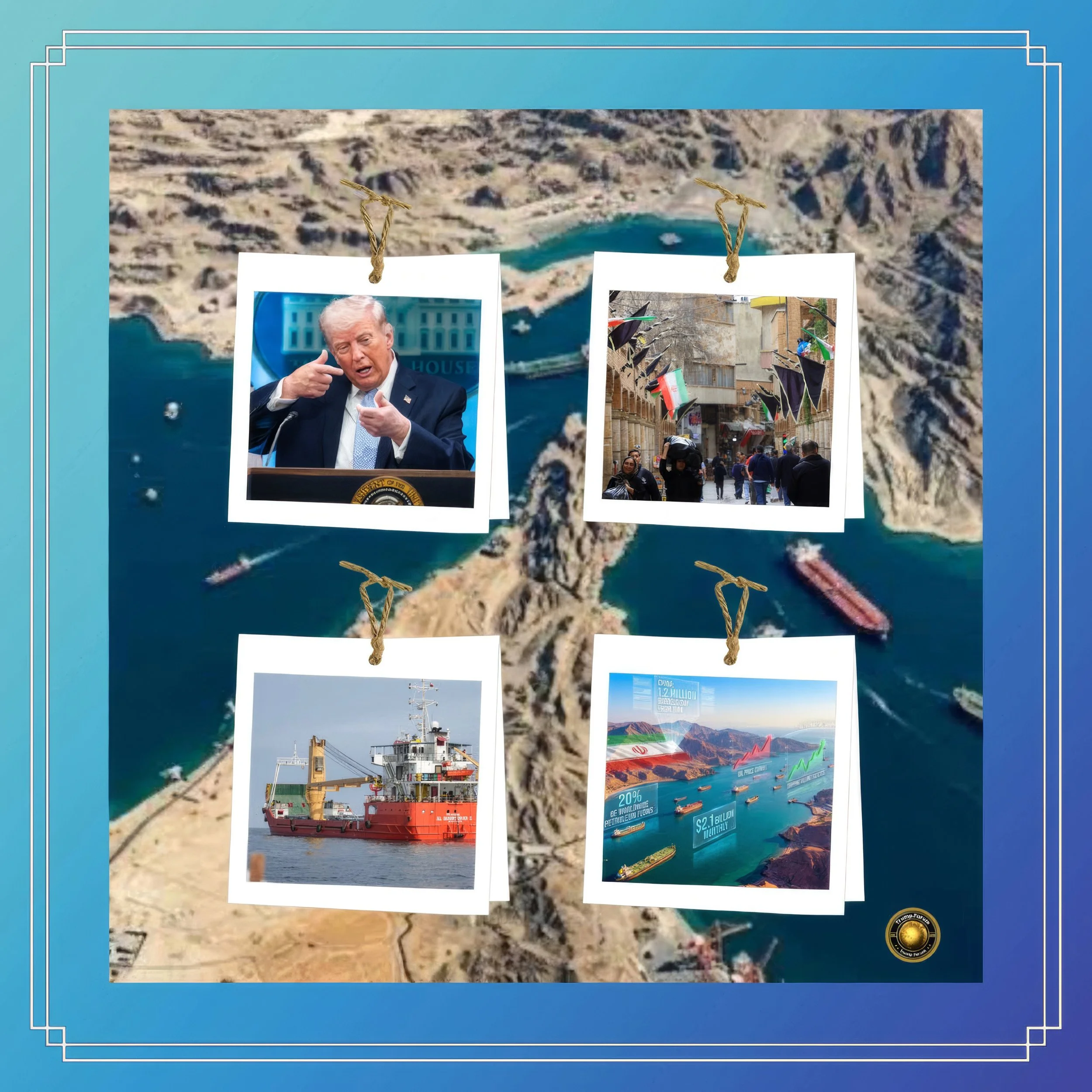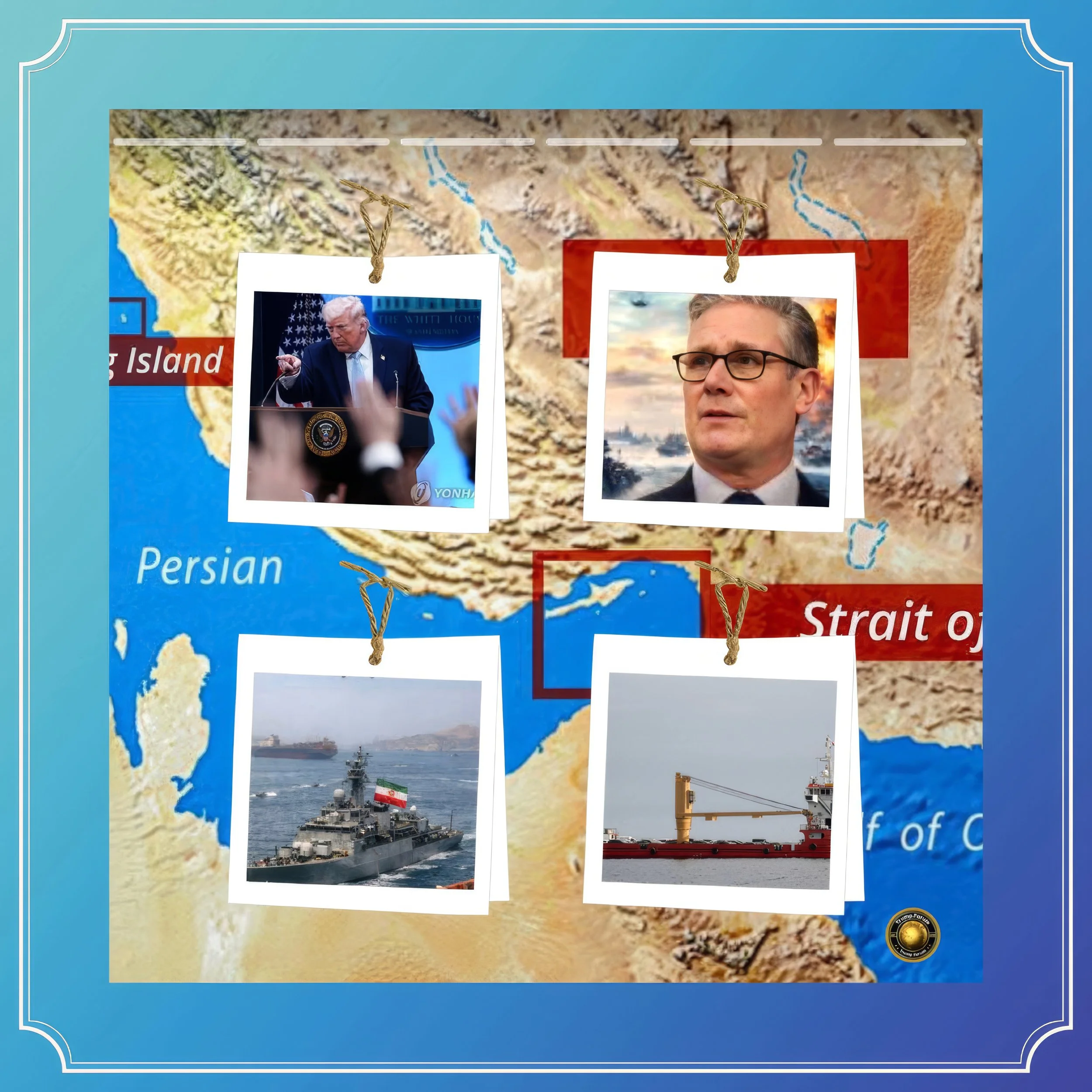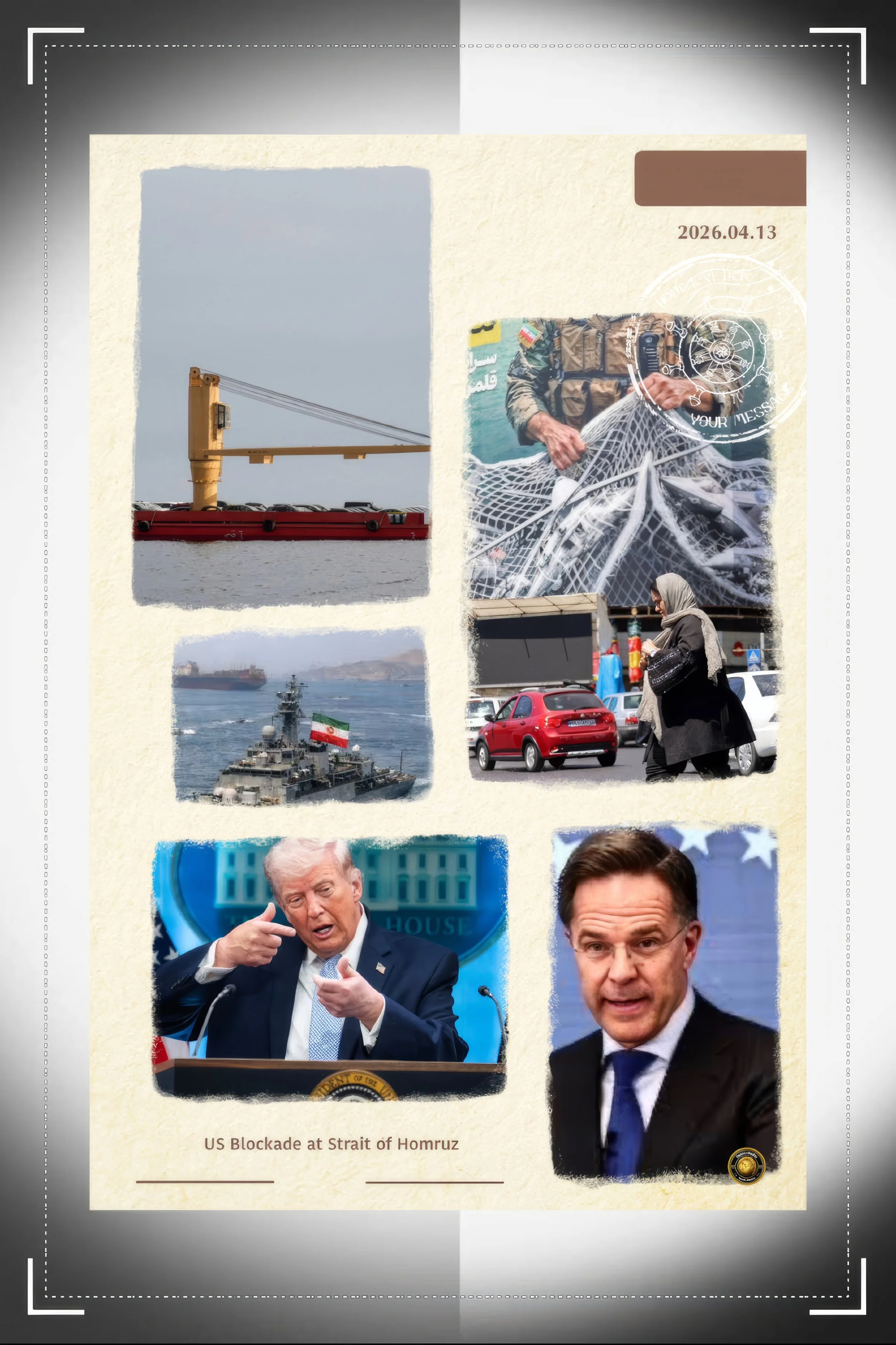
Trump’s Hormuz blockade risks global escalation as energy markets brace for sustained systemic disruption
Executive summary
Donald Trump’s Hormuz Blockade and the Unraveling of Maritime Order
The decision by Donald Trump to impose a blockade targeting Iranian shipping routes in the Strait of Hormuz marks a profound escalation in an already volatile conflict landscape.
Intended as a coercive economic measure to compel Iran to reopen maritime flows, the blockade represents a sharp departure from established norms governing freedom of navigation.
It introduces a precedent that risks undermining decades of maritime law while exposing the global economy to renewed instability.
The blockade’s implications extend far beyond immediate military signaling.
It threatens to disrupt energy markets already strained by conflict, to destabilize global trade networks dependent on uninterrupted maritime transit, and to provoke retaliatory actions that could spiral into broader confrontation.
Moreover, it places the United States in a legally ambiguous position, potentially eroding its long-standing role as a defender of international maritime norms.
At its core, the blockade reflects a strategic gamble: that economic strangulation can succeed where military force has not.
Yet history suggests that such measures often harden resistance rather than compel compliance.
As tensions mount, the risk is not only that the blockade fails, but that it transforms a regional conflict into a systemic crisis affecting global governance, energy security, and the credibility of international law.
Introduction
A naval gamble in the Gulf challenges legal norms and tests fragile geopolitical equilibrium worldwide
The waters of the Persian Gulf have long been a stage upon which global power dynamics unfold, but rarely have they witnessed a move as consequential as the recent blockade imposed by Washington.
Announced amid ongoing hostilities with Iran, the measure signals a shift from conventional military engagement toward economic warfare conducted at sea.
It is both a tactical maneuver and a strategic statement, one that seeks to redefine the boundaries of coercion in the modern era.
The logic underpinning the blockade is straightforward: by restricting Iran’s access to maritime trade, the United States aims to impose costs severe enough to force a recalibration of Tehran’s behavior.
Yet the simplicity of this logic belies the complexity of its execution and consequences.
Maritime blockades, historically associated with declared wars, occupy a contentious space in international law when implemented outside formal war frameworks.
This move therefore raises critical questions.
Can economic coercion at sea achieve strategic objectives without triggering unintended escalation?
What happens when the guardian of maritime order becomes a challenger to its norms?
And how might other stakeholders interpret and respond to this precedent?
The answers to these questions will shape not only the trajectory of the current conflict but also the future architecture of global maritime governance.
History and current status
Economic coercion at sea could ignite unintended conflict and deepen the global energy crisis
The Strait of Hormuz has long been recognized as one of the most vital arteries of the global economy.
Roughly one-fifth of the world’s oil supply transits through its narrow passage, linking producers in the Gulf to consumers across Asia, Europe, and beyond.
Its strategic significance has made it a focal point of tension for decades, particularly during periods of heightened confrontation between Iran and the United States.
Historically, threats to close the strait have originated from Tehran, often as a form of deterrence against external pressure.
These threats have rarely been fully realized, largely due to the overwhelming naval presence of the United States and its allies.
The prevailing assumption has been that any attempt to disrupt the strait would provoke a swift and decisive response.
The current situation, however, represents a reversal of roles.
Instead of responding to an Iranian closure, Washington has taken the initiative by imposing restrictions on maritime traffic linked to Iran.
This shift reflects both the evolving nature of the conflict and the limitations of traditional military approaches.
Despite sustained bombardment, the United States and its partners have struggled to achieve decisive outcomes, prompting a turn toward economic measures.
As of April 13th, the blockade has entered into force, targeting vessels suspected of carrying goods to or from Iranian ports.
Enforcement relies on naval patrols, surveillance, and interdiction operations, raising the risk of direct encounters between military forces.
The situation remains fluid, with both sides signaling resolve while leaving open the possibility of further escalation.
Key developments
Hormuz blockade exposes fractures in international law and accelerates great power maritime competition
The introduction of the blockade marks a critical inflection point in the conflict landscape.
It follows weeks of military engagement that have failed to produce a clear strategic advantage for either side.
In this context, the blockade is both a continuation of hostilities and a transformation of their character.
One of the most significant developments has been the international reaction.
While some allies have expressed cautious support, others have voiced concern over the legality and potential consequences of the move.
The lack of a unified response underscores the complexity of the situation and the divergent interests at play.
At the same time, Iran has begun to adapt its strategy.
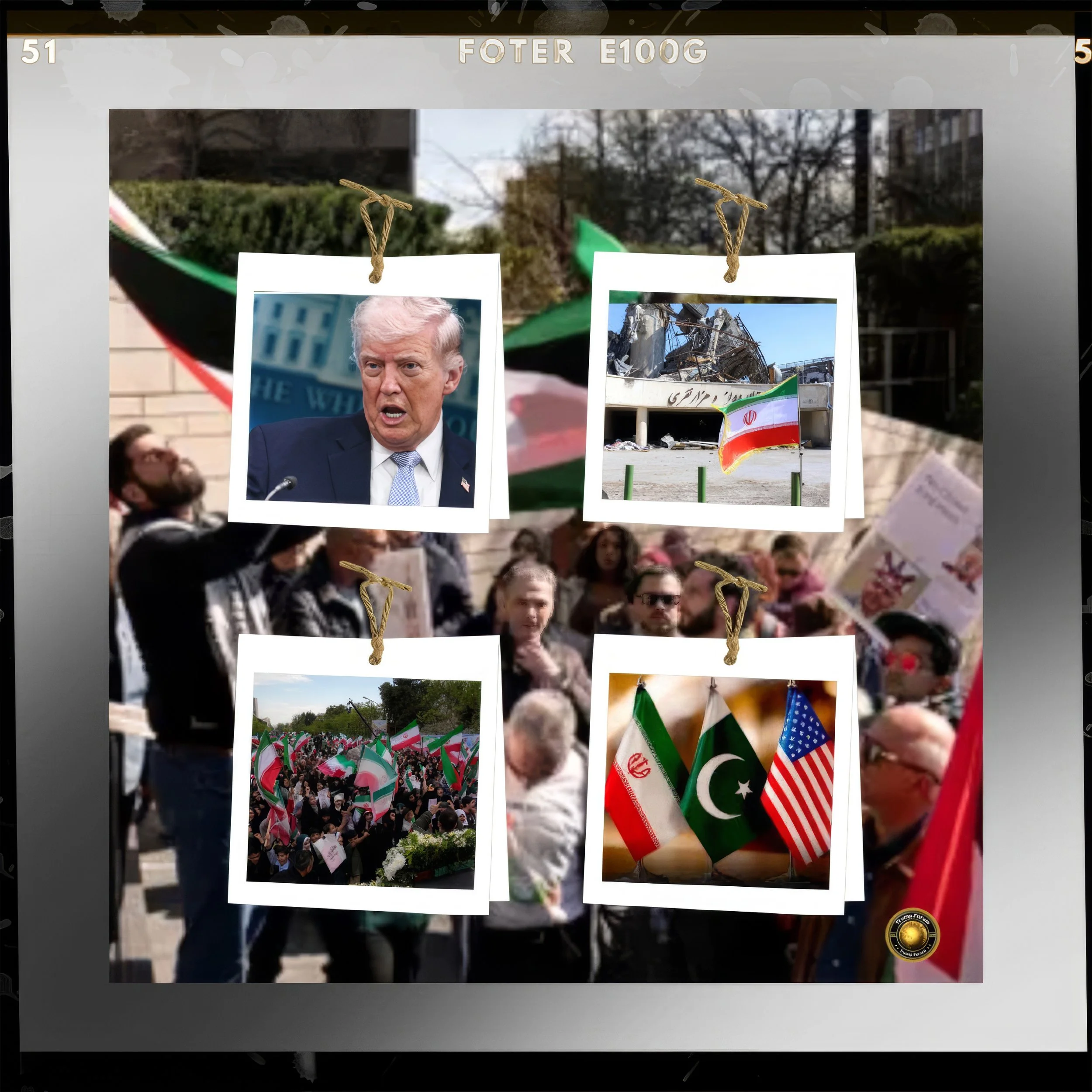
Rather than directly confronting the blockade, it has explored alternative methods of resistance, including asymmetric tactics and diplomatic outreach.
This reflects a broader pattern in which weaker stakeholders seek to offset conventional disadvantages through unconventional means.
Another key development has been the impact on global markets.
Energy prices have surged, reflecting fears of supply disruptions and broader instability. Shipping costs have also increased, as insurers reassess risks and companies seek alternative routes.
These economic effects highlight the interconnected nature of the modern global system, where localized conflicts can have far-reaching consequences.
Latest facts and concerns
Washington’s strategy risks turning economic pressure into military confrontation in the Persian Gulf
Recent developments have intensified concerns about the sustainability of the blockade and its broader implications.
Reports indicate that enforcement operations have already led to several tense encounters at sea, raising the possibility of accidental escalation.
In such an environment, even minor incidents can have disproportionate consequences.
There is also growing concern about the legal basis of the blockade.
Under international law, blockades are typically associated with declared wars and must meet specific criteria to be considered lawful.
The current situation, characterized by ambiguity and contested interpretations, risks undermining these standards.
Another pressing concern is the humanitarian impact.
By restricting access to essential goods, the blockade could exacerbate economic hardship within Iran, with consequences for civilian populations.
This raises ethical questions about the use of economic coercion as a tool of statecraft.
Finally, there is the issue of precedent. If the blockade is perceived as successful or goes unchallenged, it could encourage other stakeholders to adopt similar measures in different contexts.
This would further erode the norms governing maritime conduct and increase the likelihood of conflict in other regions.
Cause and effect analysis
Energy chokepoints become battlegrounds as blockade reshapes global trade and security calculations
The blockade can be understood as both a product of and a catalyst for broader dynamics within the conflict landscape.
Its immediate cause lies in the perceived failure of military strategies to achieve desired outcomes.
Faced with this limitation, policymakers have turned to economic tools in an attempt to shift the balance.
However, the effects of this decision extend far beyond its initial rationale.
Economically, the blockade disrupts supply chains, increases costs, and contributes to inflationary pressures worldwide.
Politically, it strains alliances and complicates diplomatic efforts, as stakeholders weigh the risks and benefits of alignment.
Militarily, the blockade introduces new risks.
The presence of naval forces engaged in enforcement operations increases the likelihood of confrontation, whether intentional or accidental.
This creates a feedback loop in which each incident heightens tensions and reduces the space for de-escalation.
Strategically, the blockade may prove counterproductive.
Rather than compelling Iran to change course, it could reinforce narratives of resistance and justify further escalation.
In this sense, the measure risks achieving the opposite of its intended effect.
Future steps
Iran confrontation escalates as blockade blurs line between deterrence and provocation in volatile waters
Looking ahead, the trajectory of the blockade will depend on a range of factors, including the responses of key stakeholders and the evolution of the broader conflict.
One possible outcome is escalation, in which enforcement actions lead to direct clashes and a widening of hostilities.
This scenario would have severe consequences for regional stability and global markets.
Another possibility is negotiation.
The economic pressure generated by the blockade could create incentives for diplomatic engagement, particularly if both sides recognize the risks of continued escalation.
However, such negotiations would require concessions and a willingness to compromise that may be difficult to achieve in the current environment.
A third scenario involves adaptation. Both sides may seek to adjust their strategies in ways that mitigate the impact of the blockade while avoiding direct confrontation.
This could lead to a prolonged period of tension characterized by low-intensity conflict and ongoing uncertainty.
In all cases, the role of external stakeholders will be crucial.
Their decisions regarding support, opposition, or neutrality will shape the broader context in which the blockade unfolds.
Conclusion
Maritime coercion returns as great powers test limits of law, trade, and strategic endurance
The blockade of the Strait of Hormuz represents a pivotal moment in the evolution of modern conflict.
It encapsulates the tensions between power and principle, between strategic necessity and legal constraint, and between immediate objectives and long-term consequences.
As a tool of coercion, the blockade reflects a belief in the efficacy of economic pressure.
Yet its implementation raises fundamental questions about the rules governing international conduct.
If those rules are eroded, the result may be a more volatile andThe unpredictable global system.
blockade will not be measured solely by its immediate outcomes.
It will also be judged by its impact on the broader architecture of international order.
In this sense, the stakes extend far beyond the waters of the Gulf, touching on the future of global governance itself.